Formal dining rooms
Hand-printed chinoiserie and scenic panels, centred on the table and balanced corner to corner. Panel layout is planned on paper before a single drop is cut.

Mediterranean Revival houses, plaster over masonry, formal dining rooms and hand-printed panels. Coral Gables is the most demanding substrate work in Miami-Dade, and it is work we do constantly.
The housing stock here is older and better built than most of the county, and that cuts both ways. Original plaster over masonry is dense and stable, but it is rarely flat by modern standards, and decades of repainting have left a patchwork of surfaces — some sealed, some chalky, some previously papered and stripped badly. Hanging a delicate paper straight onto that is how you end up with visible seams and flashing under the chandelier.
On most Gables jobs the honest recommendation is a skim coat or a lining paper before the finish material goes up. It adds time and cost, and we explain exactly why before you commit. If the wall genuinely does not need it, we will tell you that too. The other recurring issue is moisture: masonry exterior walls in older Gables homes can hold enough moisture to compromise adhesion, so we test rather than assume.
The material choices here skew traditional. Hand-printed chinoiserie in dining rooms, damask and grasscloth in studies, botanical prints in guest bedrooms, and delicate papers in powder rooms where every seam is at eye level. These are papers where a single trimming error costs a full panel, so they get measured twice and cut once.
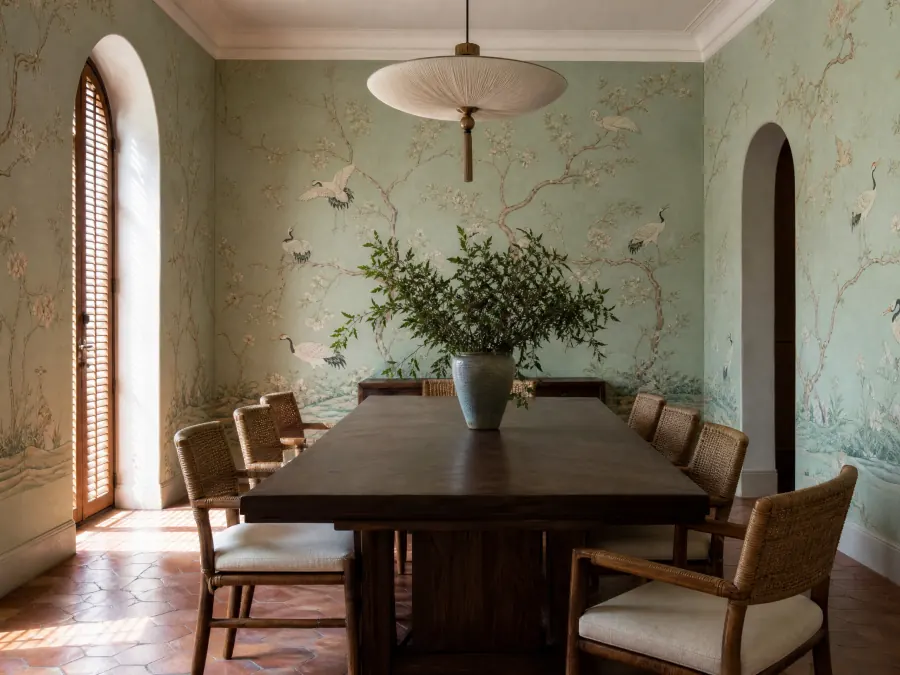
Hand-printed chinoiserie and scenic panels, centred on the table and balanced corner to corner. Panel layout is planned on paper before a single drop is cut.
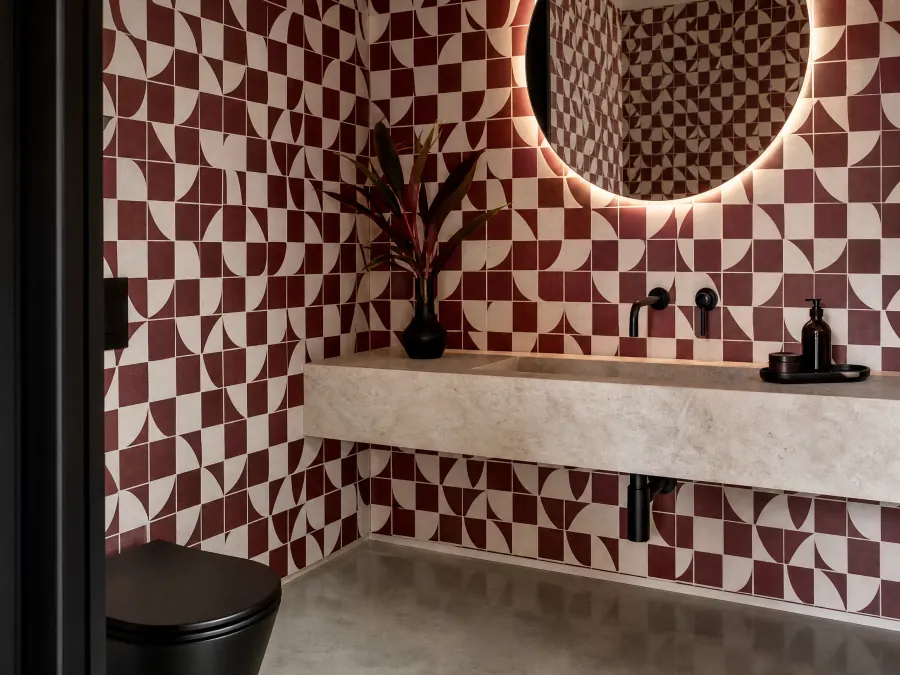
High-impact small spaces where guests stand a foot from the wall. Seam placement, pattern centring above the vanity and moisture-appropriate material selection.
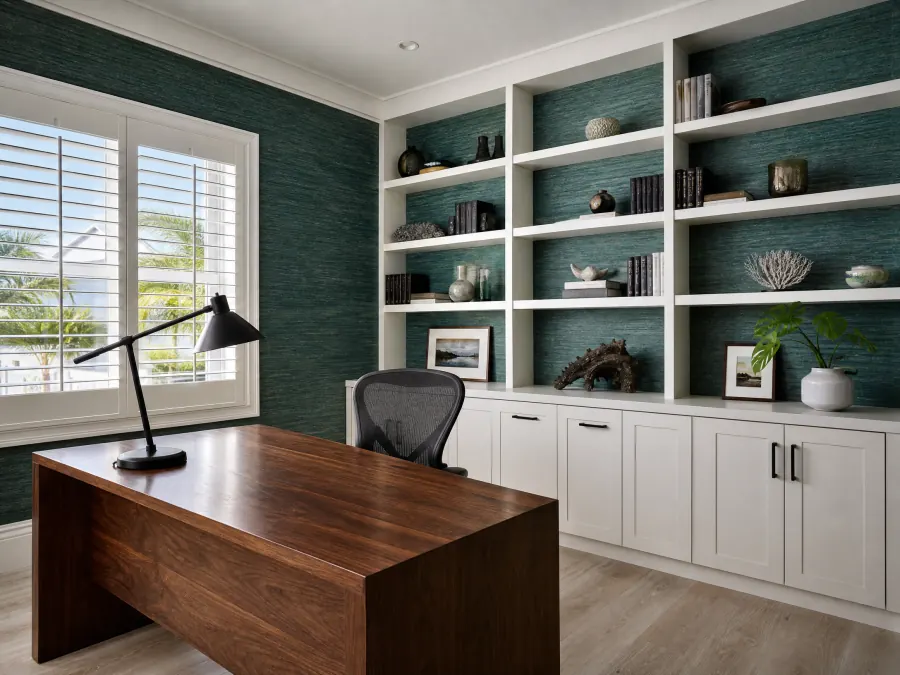
Grasscloth and textured naturals over prepared plaster, with seams planned around bookcases and panelling rather than fighting them.
Tall single-storey and two-storey runs, scaffolded properly, with murals and repeating patterns kept plumb over the full height.
Botanical and damask prints, often paired with existing millwork and picture rails that need careful trimming and scribing.
Stripping decades-old paper from plaster without gouging the substrate, then repairing and priming so the next paper sits flat.
Kevin will come out, check the plaster, measure properly and give you a written quote with prep itemised separately. No charge, no pressure.
Send the details and Kevin will get back to you within one business day.