Specification, Substrate and Sequencing
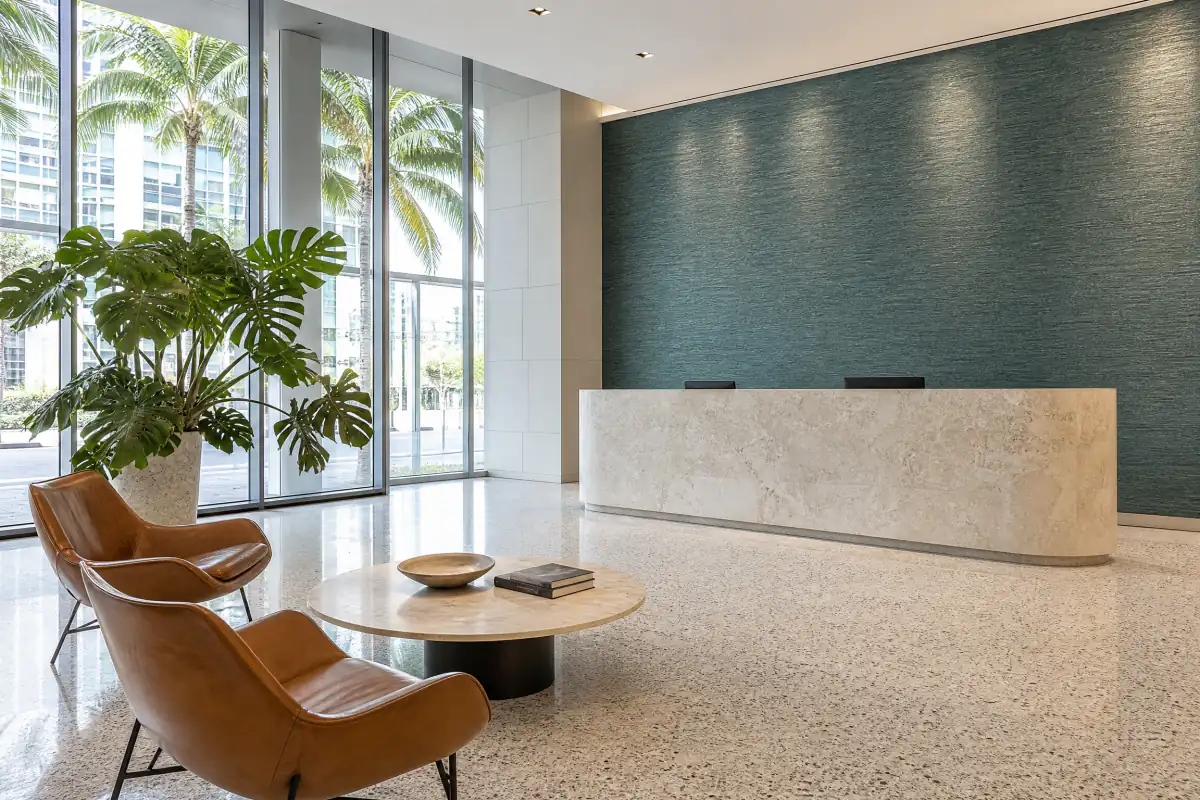
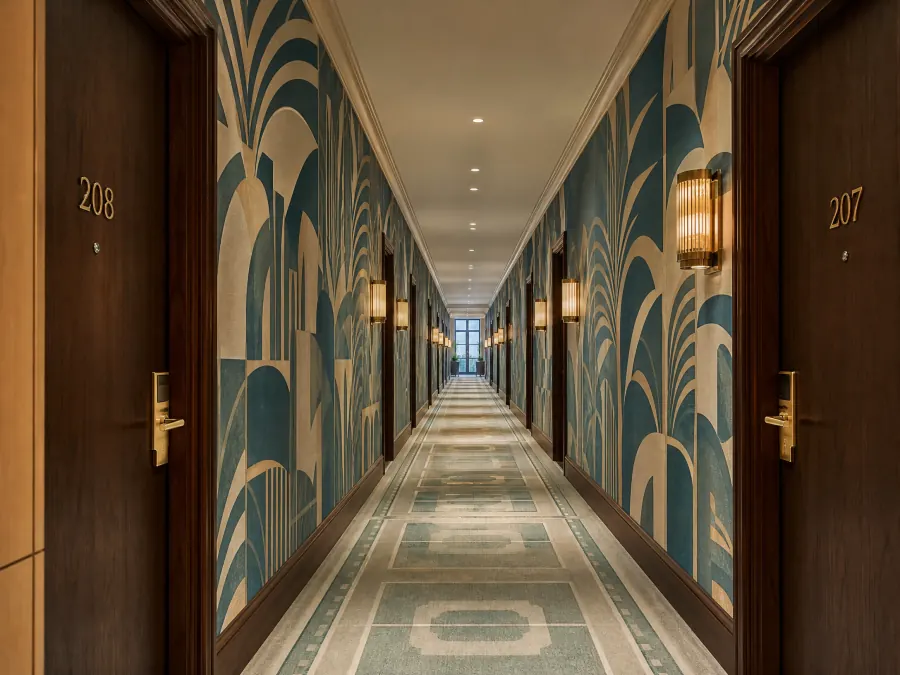
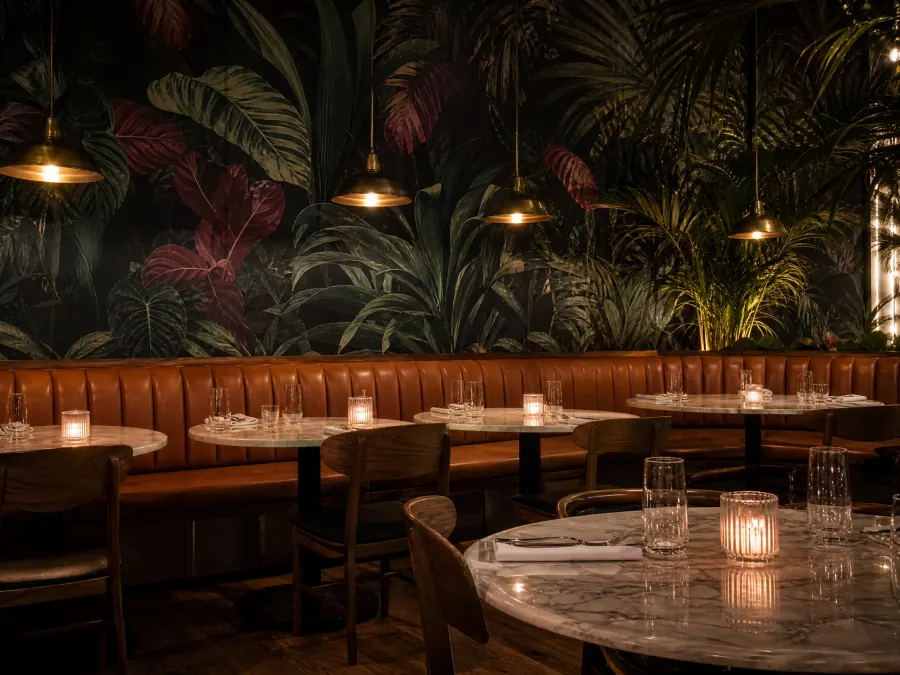
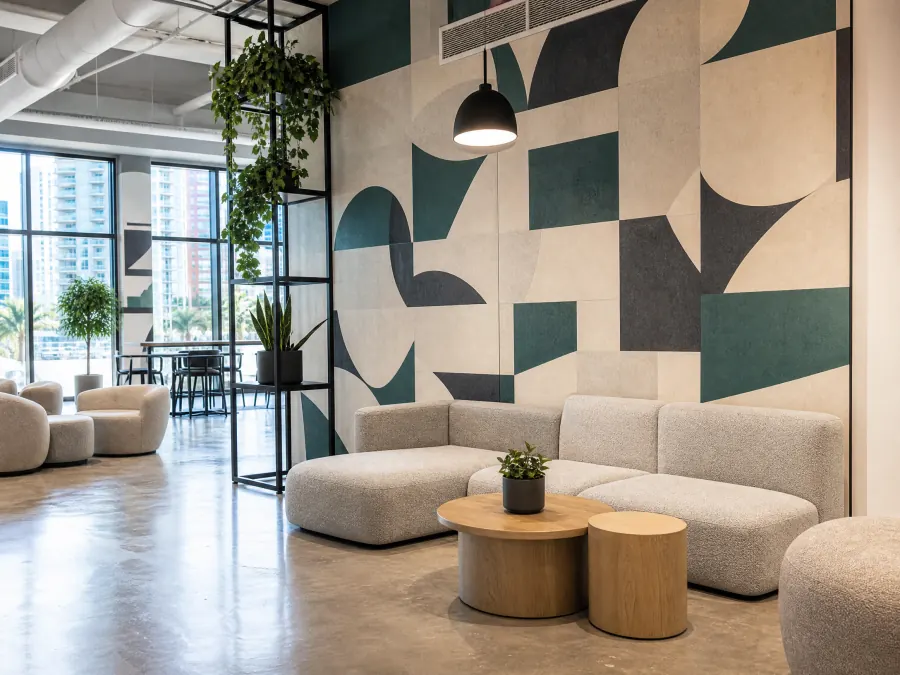
Commercial goods are specified, not chosen. Type II vinyl at 20 ounces is the default for corridors and any wall that will meet a luggage cart, because it takes abuse that residential paper simply cannot. Where a designer has specified acoustic backing, digitally printed murals or a wide-width textile, we will flag the practical consequences early — lead times, seam counts, whether the substrate can carry the weight — rather than discovering them on installation week.
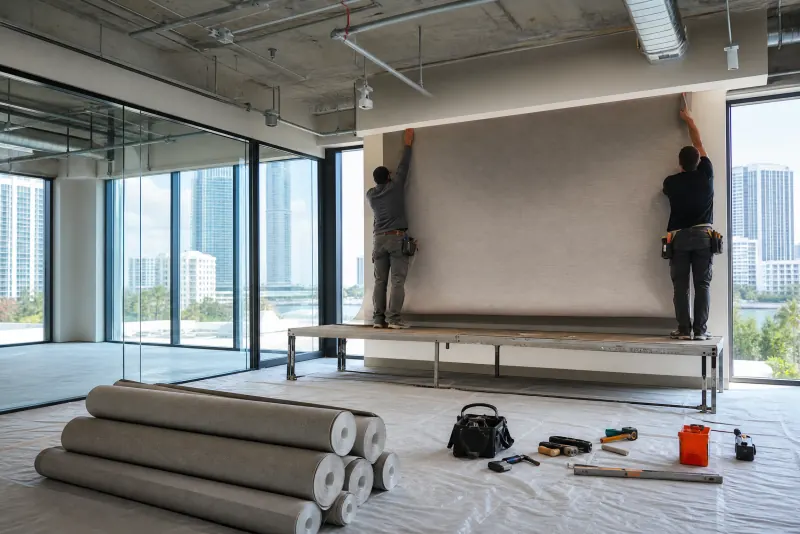
Substrate work is where commercial schedules usually slip. New construction drywall needs to be finished to the right level and fully cured before primer, and existing walls in an occupied building almost always need strip-out, adhesive wash and skim work before anything new goes up. We build that into the programme as its own line rather than absorbing it into hanging days, so the schedule you are given is the schedule you get.
Sequencing then comes down to coordination. We work backwards from the turnover date, agree floor-by-floor or wing-by-wing access with the GC or the building, and confirm dock and elevator windows in writing. On phased jobs each area is handed back clean and inspected before we open the next one, which keeps the punch list short at the end.